Parliamentary Ocean Evenings
Endorsed as a UN Ocean Decade Activity
Parliamentary Ocean Evenings as part of the German Ocean Festival
The German Ocean Festival is intended to develop a general awareness of our ocean, encouraging participants to take find out more about the ocean, to take ocean-friendly decisions, and to do so immediately. The project aims to ensure that the ocean is embedded in political Berlin. In 2026, the German Ocean Festival will consist of four Parliamentary Ocean Evenings spread throughout the year. The focus is on political actors as well as networking with companies and civil society.
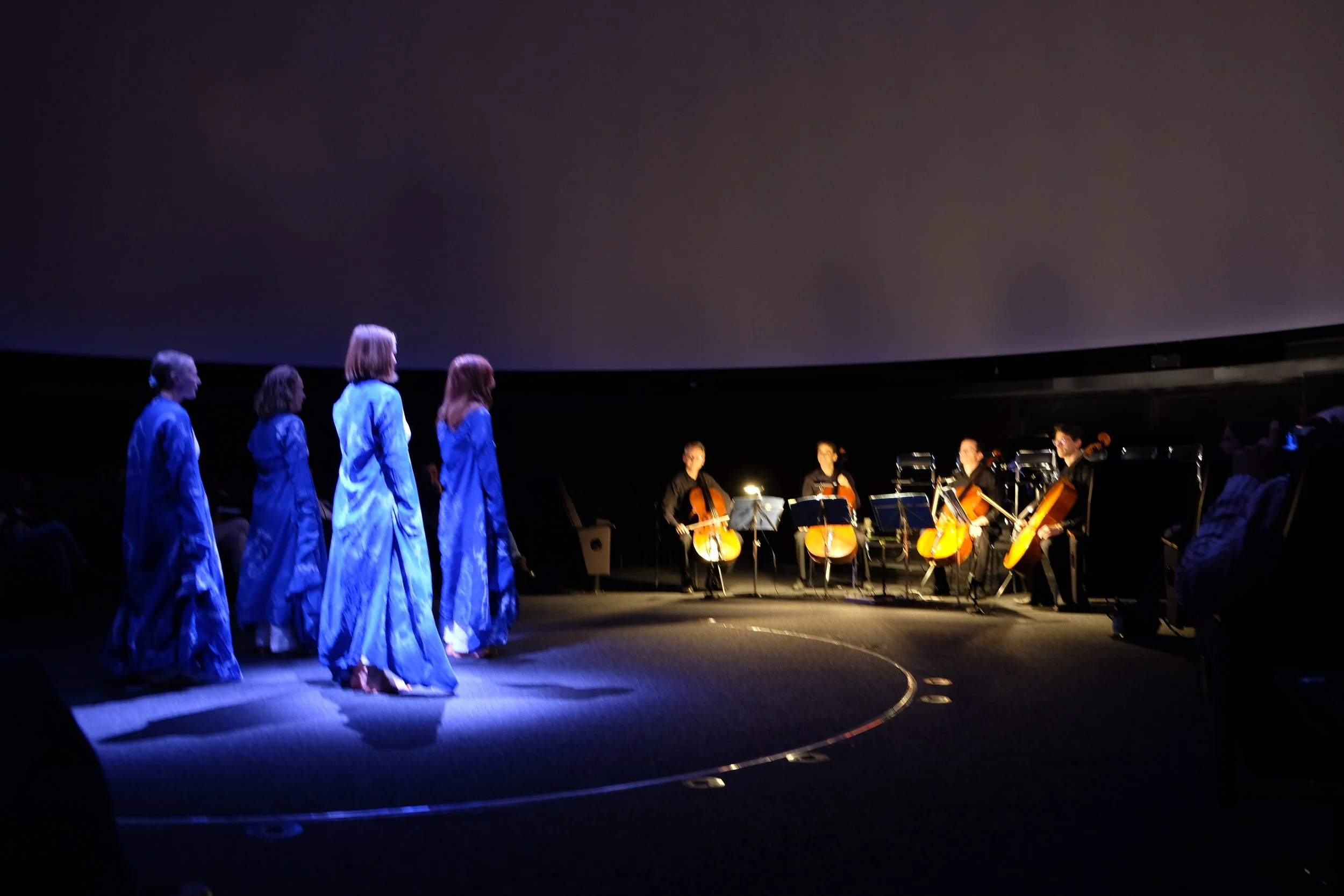
The evenings will revolve around the UN Ocean Decade, national, European and international marine policy as well as ocean literacy, the blue economy and sustainability. An immersive ocean show and musical accompaniment will provide a sensory experience of the ocean. Each Parliamentary Ocean Evening will conclude with a discussion round in which German marine policy will be compared with European and international developments.
Next Parliamentary Ocean Evening: What does the European Ocean Act mean for Germany?
Tuesday, 3 November 2026 | Doors open at 5.30 pm | Starts at 6.00 pm
European House at the Brandenburg Gate
Unter den Linden 78, 10117 Berlin
The ocean is under pressure: climate change, environmental pollution and the growing competition for marine spaces and resources call for a joint and forward-looking maritime policy. The European Ocean Act offers an opportunity to enshrine the protection and sustainable use of the oceans more firmly and bindingly across Europe. But what does this mean in concrete terms for Germany? What impetus will it provide for politics, business and research? And how can European objectives be translated into concrete national measures?
We will be discussing this at the next Parliamentary Ocean Evening organised by the German Ocean Foundation at the European House in Berlin – together with representatives from politics, science, business and civil society.
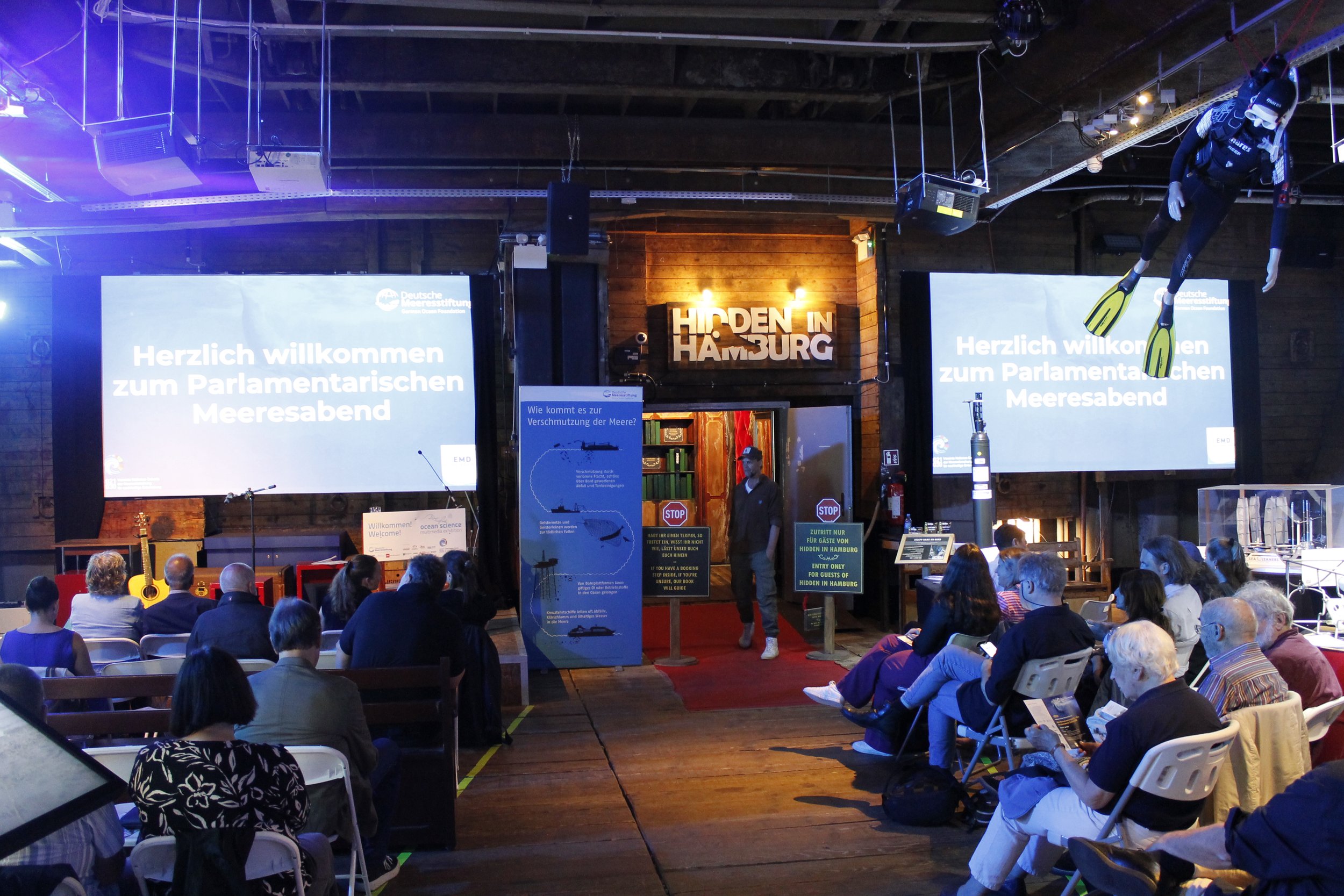
July 2026 – Parliamentary Ocean Evening in Hamburg: German Ocean Foundation presents Germany’s first marine school
Germany’s first marine school
The German Ocean Foundation presented the concept for Germany’s first marine school during the first Parliamentary Ocean Evening in Hamburg. The educational model, developed by Head of Studies Dr Wiebke Endres, aims to inspire pupils to take an interest in the ocean as a key issue for the future, whilst at the same time opening up new personal and career prospects for them in the fields of marine conservation, research and the maritime economy.
Ocean Literacy Day
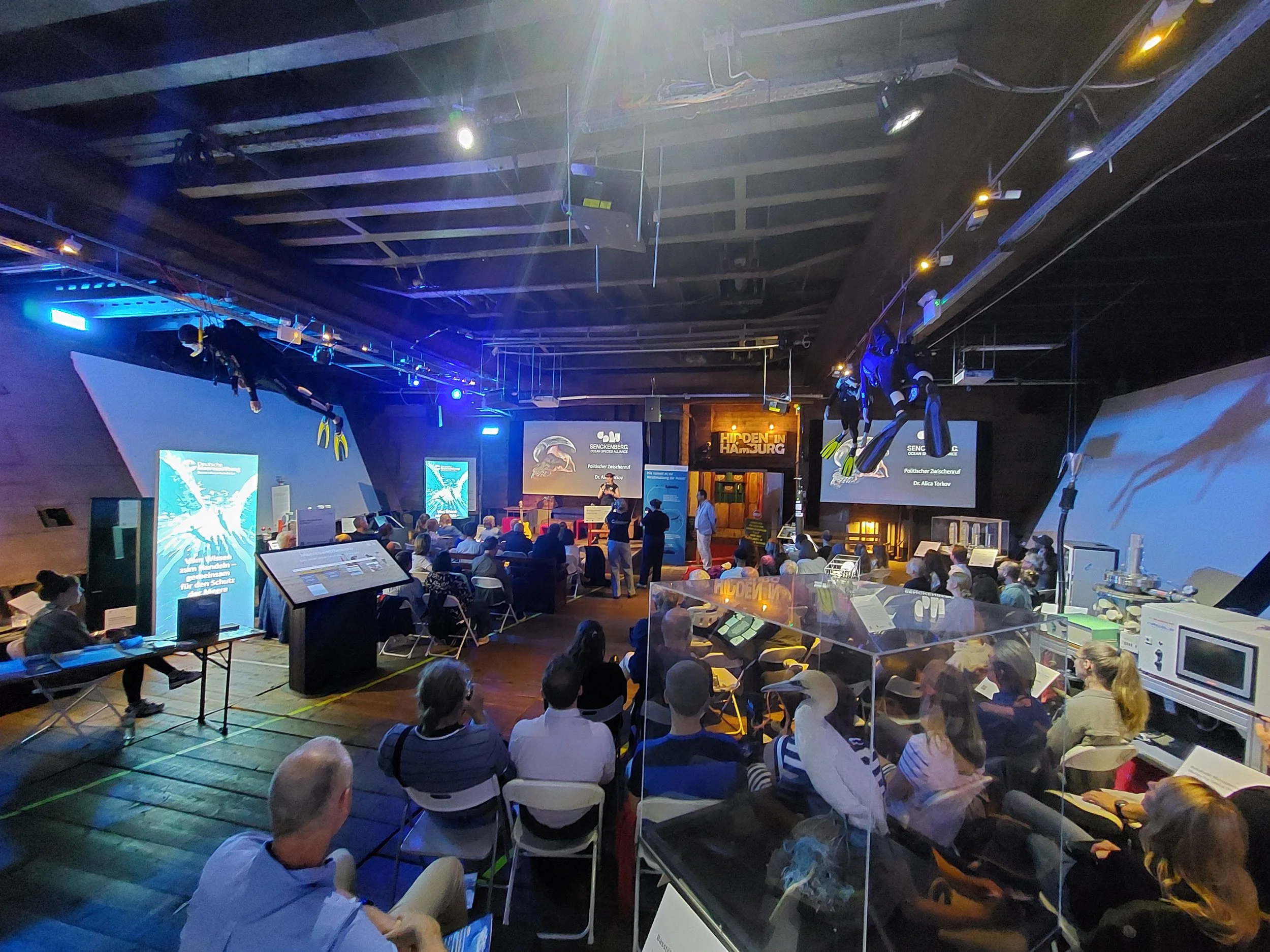
The concept was unveiled on Ocean Literacy Day on board the Cap San Diego. The event is a German contribution to European Maritime Day in My Country and takes place as part of the UN Ocean Decade, the implementation of which is supported by the German Ocean Foundation as the official UN Ocean Decade Implementing Partner in Germany.
The day of action combined educational activities for children and young people with scientific exchange, environmental engagement and political dialogue. In the Ocean Literacy Lab, school pupils explored the importance of the ocean for people and the climate through interactive workshops. The programme was complemented by the documentary Ocean with David Attenborough and the Ocean Science multimedia exhibition on board the Cap San Diego.
Parliamentary Ocean Evening
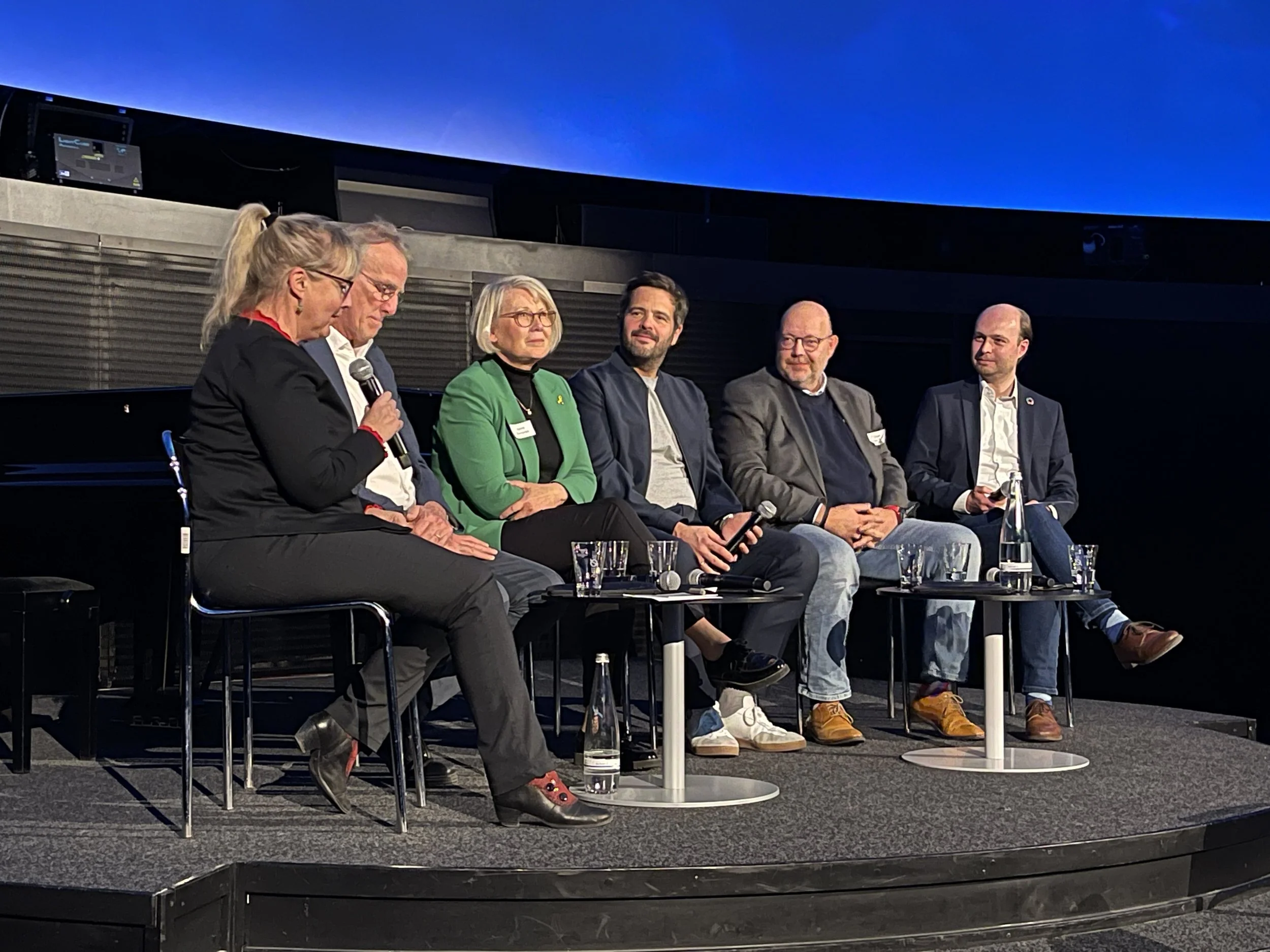
At the Parliamentary Marine Evening, representatives from the worlds of science, politics and civil society discussed ways of raising awareness of marine issues in Germany.
Prof. Dr Mojib Latif, a climate researcher at GEOMAR Helmholtz Centre for Ocean Research Kiel and President of the German branch of the CLUB OF ROME, warned of the consequences of the ongoing warming of the oceans and emphasised the need to consistently protect the deep sea as a unique habitat.
Katja Günther, State Secretary at the Ministry for Energy Transition, Climate Protection, Environment and Nature of the State of Schleswig-Holstein, emphasised that young people in particular must be made aware of the importance of the oceans at an early age and encouraged to become ambassadors for marine conservation.
Dr Alica Torkov, Engagement Strategist at the Senckenberg Ocean Species Alliance, called for a moratorium on deep-sea mining in light of the scientific uncertainties.
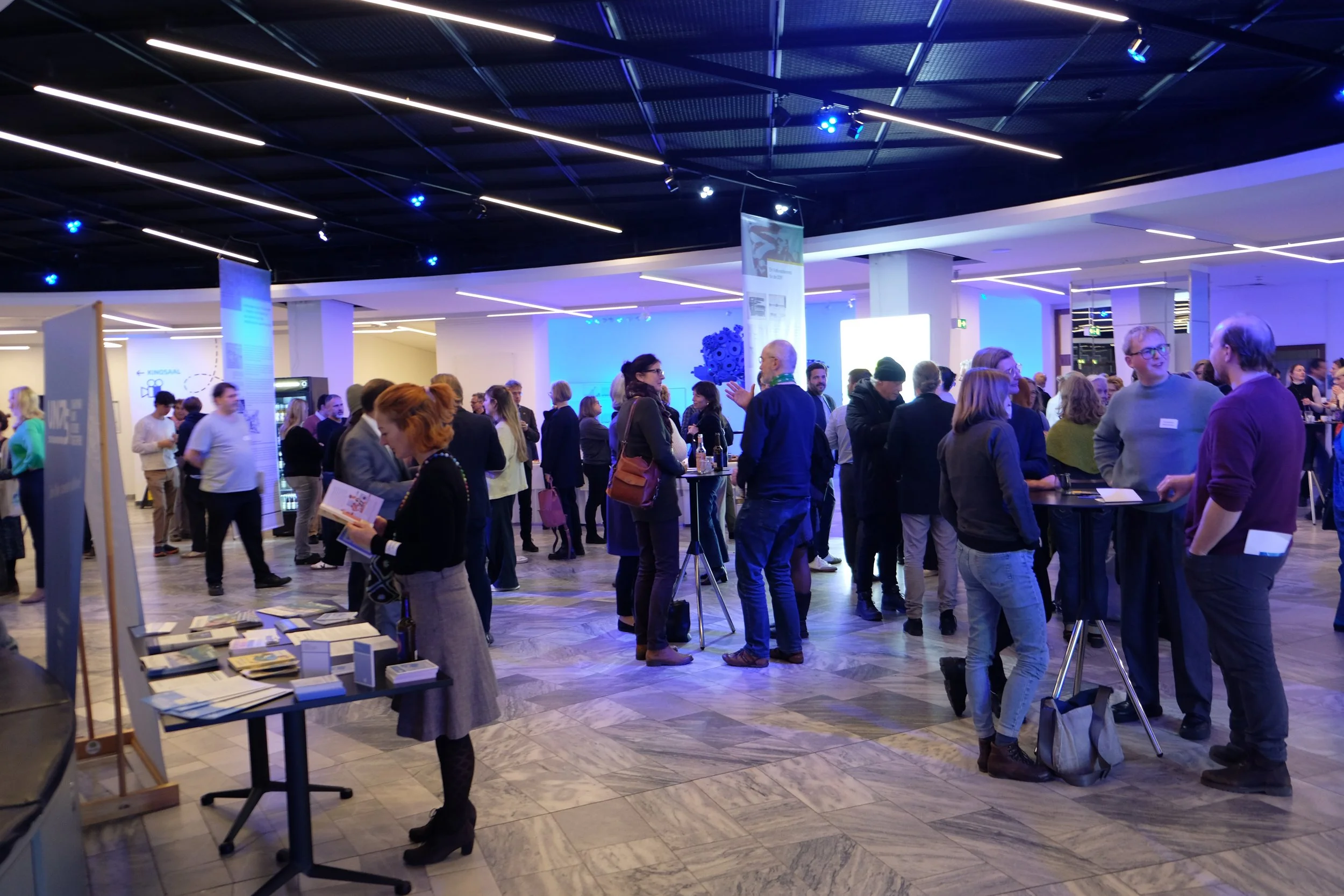
The evening was accompanied by music from Ingo Pohlmann. Afterwards, to mark its 11th anniversary, the German Ocean Foundation hosted a reception at the Ocean Science Multimedia Exhibition – the only permanent exhibition in Germany open to the public that is dedicated exclusively to the UN Decade of the Ocean.
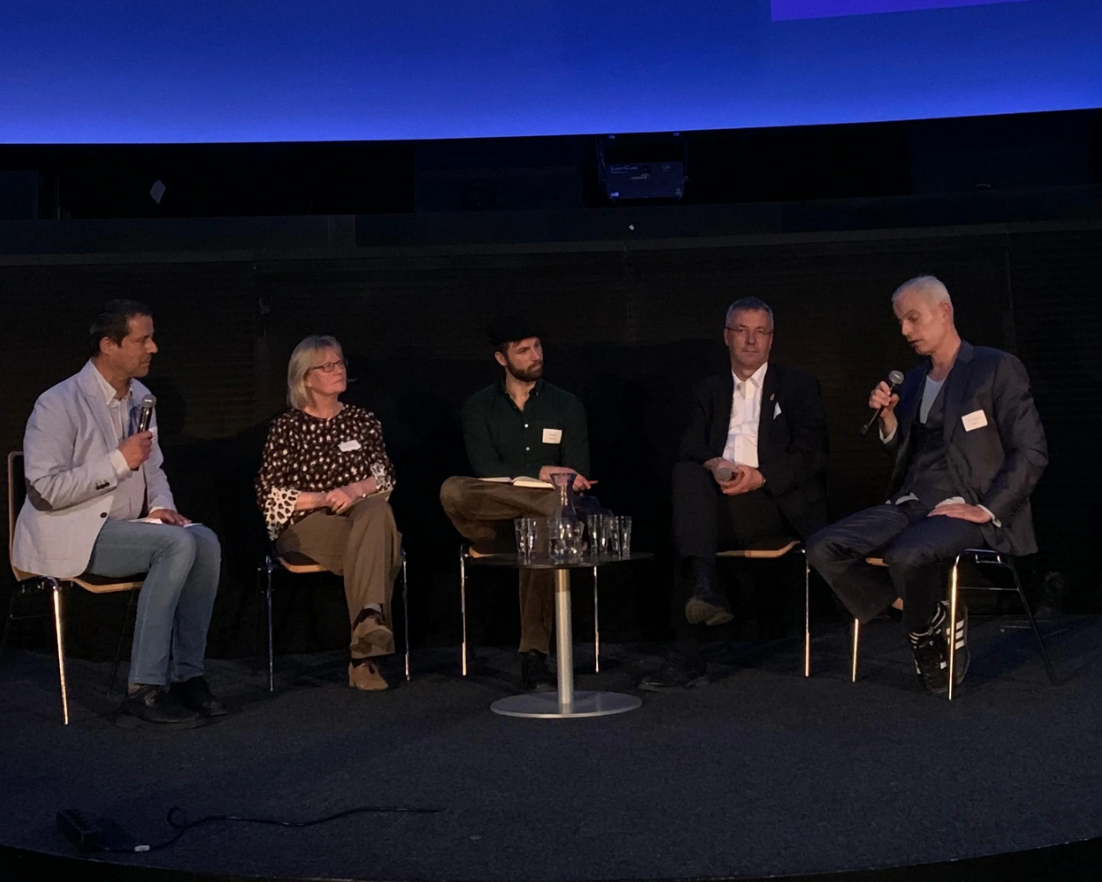
Parliamentary Ocean Evening in Berlin in April 2026: Ocean policy in Germany must be pursued much more vigorously on an inter-ministerial, international and cross-party basis
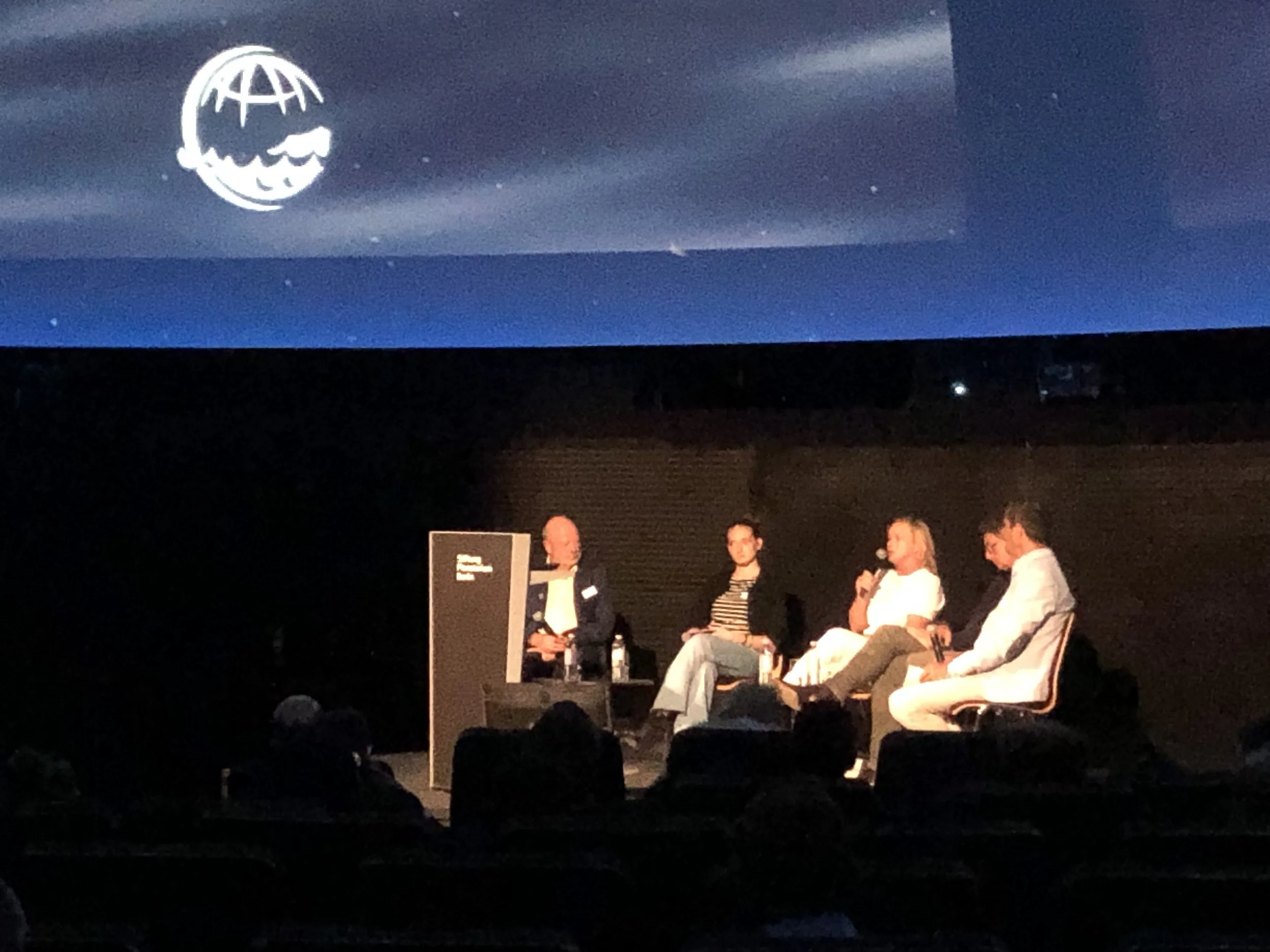
The 5th Parliamentary Ocean Evening organised by the German Ocean Foundation at the Zeiss Großplanetarium in Berlin sent a clear political message: the protection and sustainable use of the ocean must be much better coordinated in Germany, both at national and international level. Moving forward, the issue of the ocean must feature more regularly and with greater commitment on the political agenda of the German Bundestag, transcending party and ministerial boundaries.
The focus of the evening was the mid-term review of the UN Decade of Ocean Science for Sustainable Development (2021–2030). Representatives from politics, science and civil society unanimously emphasised that the importance of the ocean for the climate, biodiversity, food security, the economy and global stability is still not sufficiently reflected in political action in Germany.
Broad consensus on the need for action
It became clear during the discussion that the ocean, as the basis of human life, must be given far greater political priority.
Sustainability expert Dr Daniel Dahm called for a fundamental shift in the political and economic order: “We need a regulatory framework that rewards the development of ecosystems.”
Johann Saathoff, Parliamentary State Secretary at the Federal Ministry for Economic Cooperation and Development, emphasised the need for closer cooperation at all levels: “The sea is the basis of our existence, from the oxygen we breathe to the fish we eat. We must protect this treasure. The UN Decade of Ocean Science is vital for this. The Federal Ministry for Economic Cooperation and Development (BMZ) is committed worldwide to the protection of marine ecosystems and the improvement of living conditions for coastal communities.”
Member of the Bundestag Marcel Bauer warned that marine conservation is not possible without climate protection, and called for a hundredfold increase in the budget for the UN Decade of Ocean Science in Germany.
Karin Kortmann, Deputy Chair of the German Society for the United Nations, advocated moving the issue beyond the confines of departmental logic. The ocean should be considered a priority.
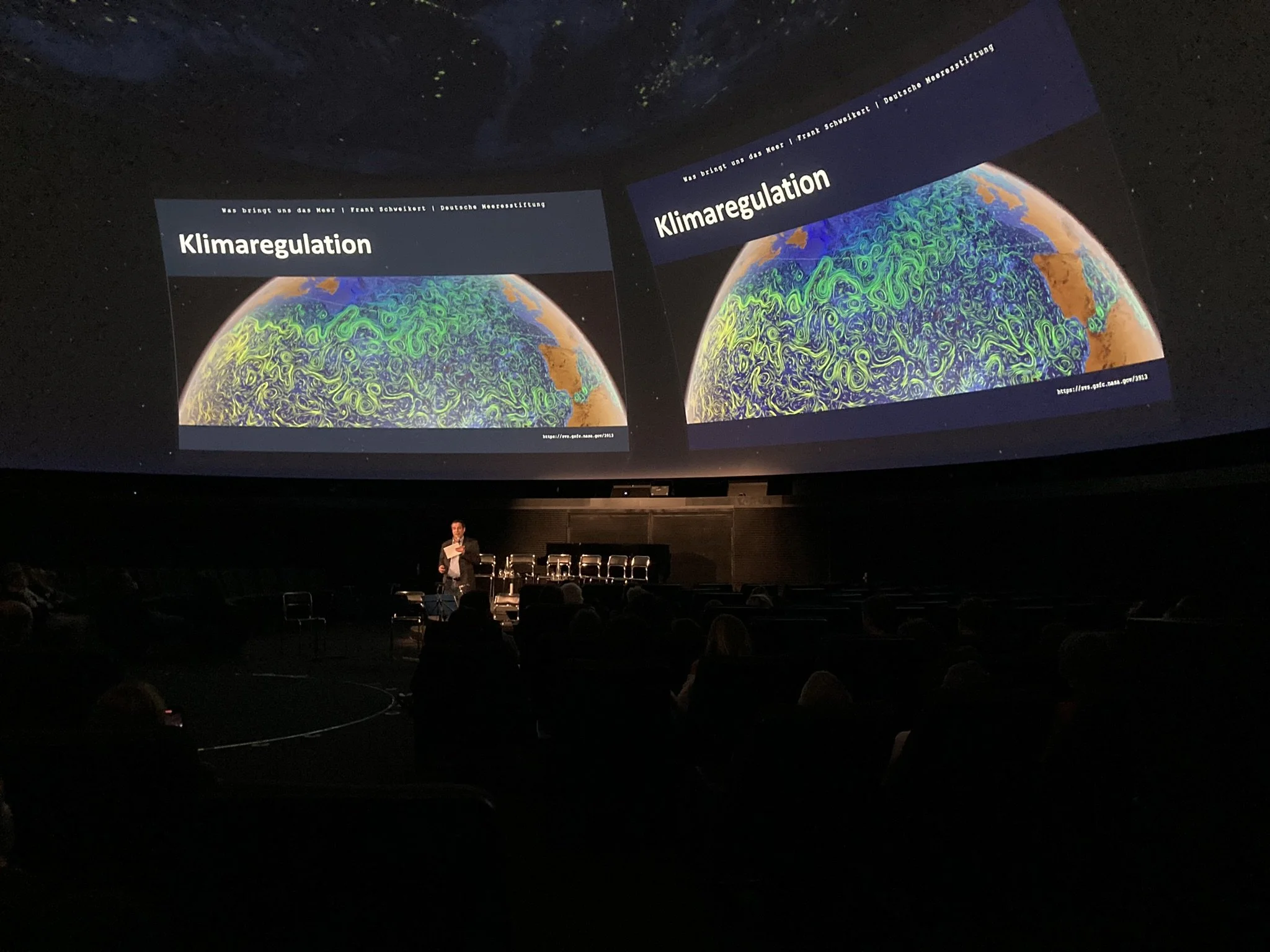
Frank Schweikert, Chairman of the German Ocean Foundation, described the UN Decade of Ocean Science as a “wake-up call” and called for continued cooperation between the political sphere, the scientific community, the business sector and civil society in order to make a tangible German contribution during the second half of the UN Decade of Ocean Science.
Ocean policy as a shared task for the future
A key outcome of the evening was the shared view that marine conservation must no longer be treated as a niche issue. Rather, the ocean must be understood as a cross-cutting issue that affects environmental, research, development, economic and financial policy in equal measure.
The participants also emphasised that Germany must fulfil its international responsibilities more effectively – both in multilateral processes and in the national political debate. Regular parliamentary scrutiny, better inter-ministerial coordination and greater visibility of the issue in public debate are essential for this.
Young people demand a say
The newly founded JugendOzeanNetzwerk (Youth Ocean Network) also sent a strong message, calling at the Parliamentary Ocean Evening for greater political visibility and genuine influence for young people in German ocean policy. The younger generation, which will have to live with the consequences of an unhealthy ocean for the longest time, must be more closely involved in political processes.
Parliamentary Ocean Evening discusses pathways to the "Ocean Act" - December 2025
The European Union faces a historic opportunity to realize a shared and future-oriented vision for our largest habitat, the ocean. This was the central theme of the German Ocean Foundation's Parliamentary Ocean Evening at the Zeiss Planetarium in Berlin on 9 December.
The European Ocean Pact is a strategy of the European Commission that unites previously scattered initiatives in the areas of environment, economy, security, and research under a common umbrella. But how can Germany implement the Ocean Pact in concrete terms – politically, scientifically, economically, and socially? How will the "Ocean Pact" become an "Ocean Act"?
High-calibre speakers addressed this question in inspiring keynote speeches and a lively panel discussion. Carsten Träger, Parliamentary State Secretary at the Federal Ministry for the Environment, stated in his contribution: "With the EU Ocean Pact, we want to initiate a turnaround. The seas should be better protected, the sustainable blue economy promoted, and the prosperity and security of people in coastal areas supported. In addition, research and knowledge about the seas will be promoted through the proposal for an ambitious EU marine monitoring initiative."
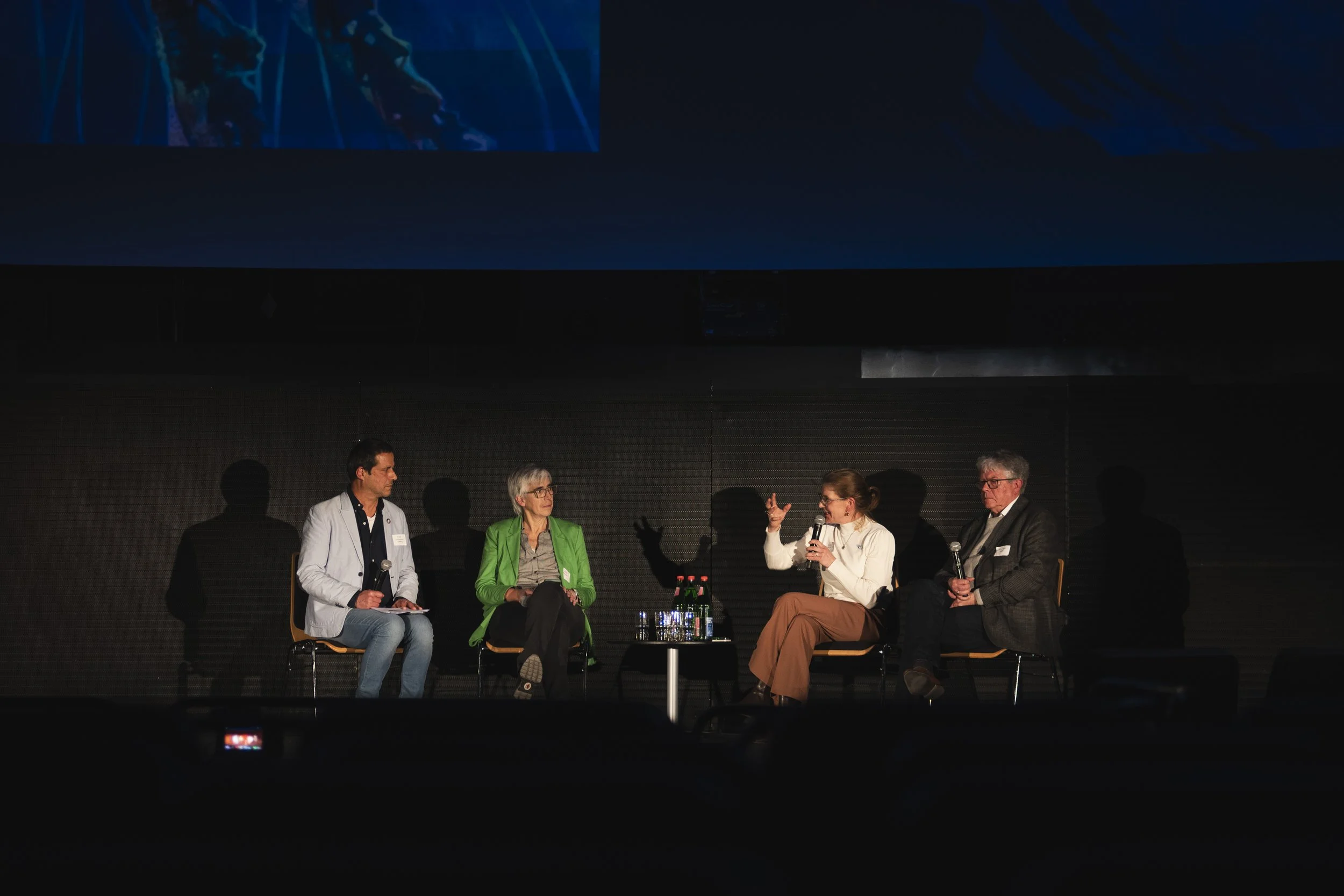
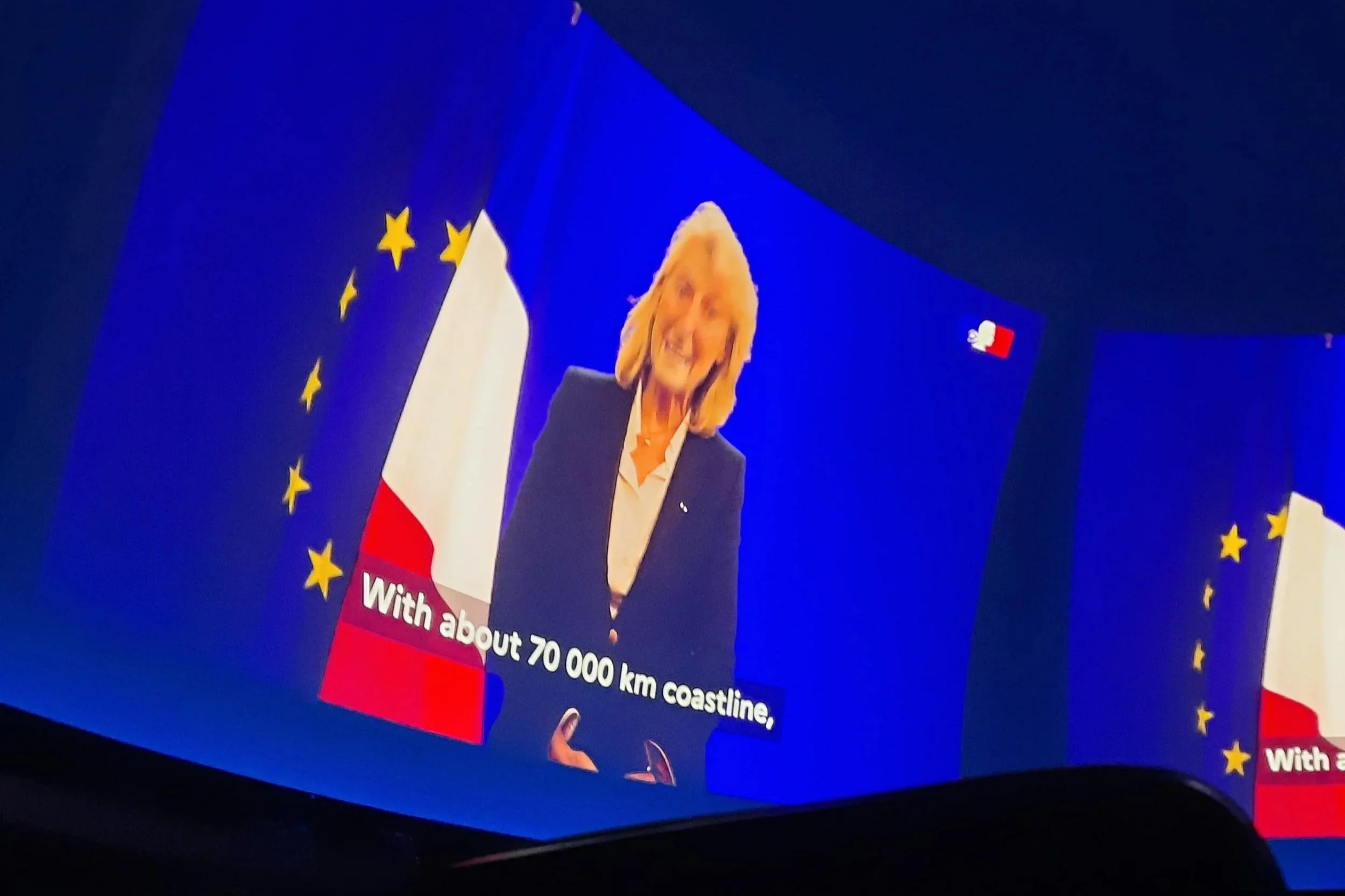
MEP Jutta Paulus also spoke out clearly. Germany must develop its own political vision for the Ocean Act. Ensuring its implementation is also crucial. "Our ocean needs help! Existing rules must finally be enforced instead of just talking about weakening them. The Ocean Act must ensure that progress is measurable, with binding interim targets and regular monitoring."
Catherine Chabaud, French Minister for the Ocean and Fisheries, emphasized the importance of the ocean for the people of Europe and announced the creation of a "Friends of the Ocean" group within the European Council to actively support the implementation of the Ocean Pact through the Ocean Act. Frank Schweikert, Director of the German Ocean Foundation, appealed to German politicians to launch a national Ocean Act initiative immediately.
During the event, the speakers highlighted the multifaceted nature of the European Ocean Pact and its significance for numerous aspects of life. For Petros Michelidakis, Director of boot Düsseldorf, sustainable competitiveness today means understanding ecological responsibility as a driver of innovation. He summarized: “The European Ocean Pact is more than a political document; it is a call to action. And – it calls on all of us to take responsibility.”
The subsequent panel discussion also made it clear that implementing the Ocean Pact is a task for society as a whole. The participants – Jutta Paulus, Angela Schultz-Zehden (Managing Director of SUBMARINER), and Dr. Ludger Weß (Co-Founder and Managing Partner at akampion and co-founder of 350PPM Biotech) – agreed that Germany should not be afraid to drive innovation and that it is crucial to promote networking among economic actors, as well as with policymakers.
Parliamentary Ocean Evening September 2025: A Sustainable Blue Economy in Germany
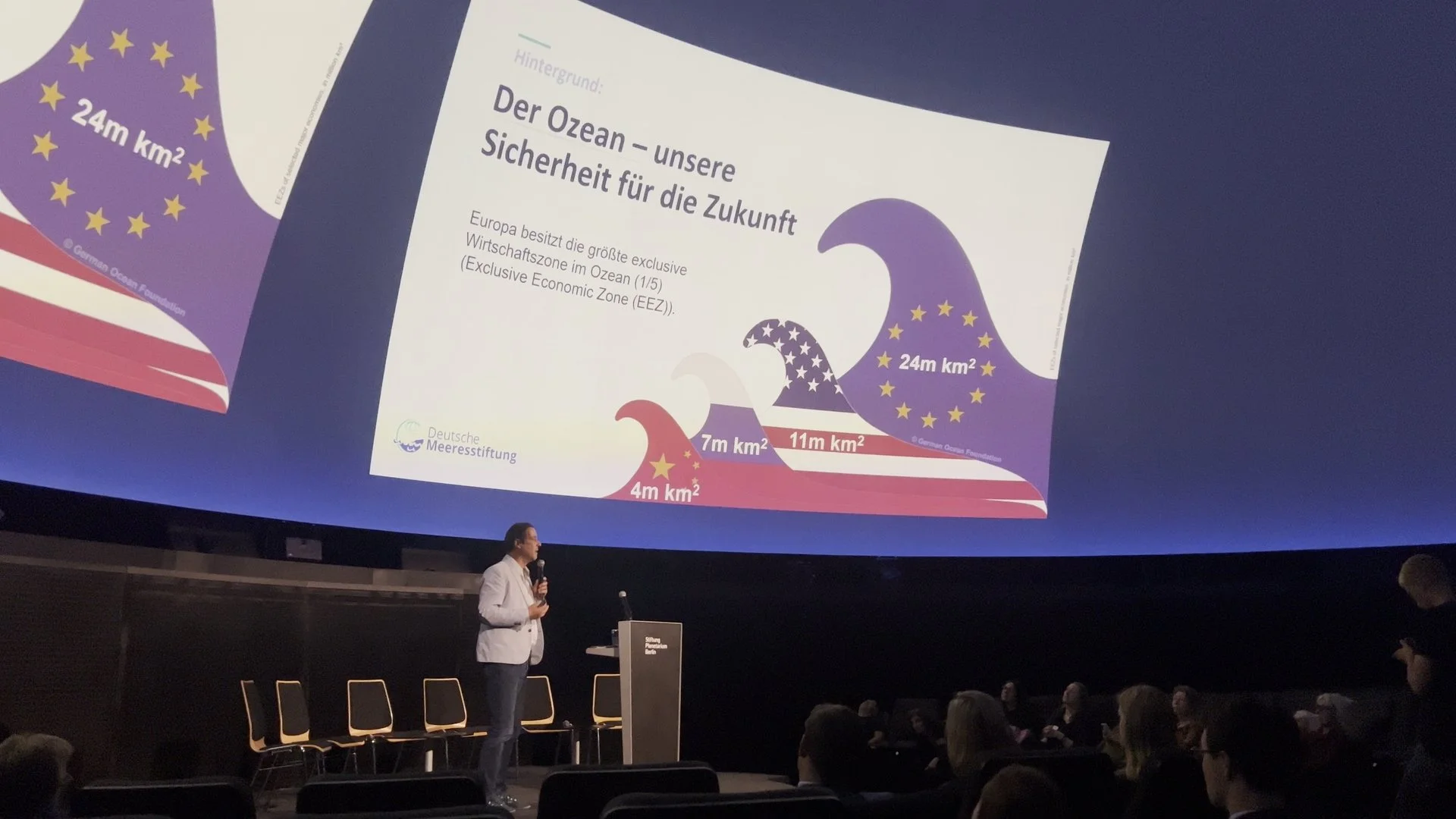
Germany must seize opportunities now and build a future-proof blue economy, was the unanimous feedback from parliamentarians at the third Parliamentary Ocean Evening, held at the Zeiss Planetarium in Berlin on 23 September by the German Ocean Foundation. The ocean offers enormous potential worldwide for German companies and scientists to sustainably use and develop seas and coastal regions. As part of the European Union, which possesses the world's largest exclusive economic zone, Germany bears a special responsibility to develop new and sustainable economic models in the ocean.
Dr. Annamari Arrakoski-Engardt, CEO of the John Nurminen Foundation, presented pioneering examples of a transformation towards a sustainable blue economy and innovative concepts for the future of fisheries in Germany. She shared impressive examples of a living Blue Economy in Scandinavia and emphasized: “Europe needs Germany. When Germany focuses its attention on the seas – the Baltic Sea, the North Sea, or other bodies of water – then all of Europe does too.”
“The sea should become a priority in business and education,” demanded Frank Schweikert, Chairman of the German Ocean Foundation. Keynote speaker Andreas Jung, Member of the Bundestag and Deputy Chairman of the CDU/CSU parliamentary group, also underscored: “The sea, marine conservation, the marine economy, the Blue Economy – all of this must be even more central to our debates.”
A key component of the Blue Economy is the fishing industry, which is under extreme pressure in Germany. Coastal fishing in the North and Baltic Seas is particularly affected by climate change, overfishing, and economic crises. A sustainable Blue Economy offers significant opportunities here: for the protection of marine habitats, growth oriented towards the common good, and a modern, broader definition of the fishing profession.
Against this backdrop, Frank Schweikert and Peter Dietze, the last fisherman from Niendorf, presented the "Niendorf Declaration"—a commitment to preserving the fishing profession while simultaneously redefining it in the interest of the common good. According to the declaration, fishermen could also play important roles in marine education, research, and, for example, the harvesting of seaweed. The knowledge accumulated by fishermen over generations must not be lost. It forms the basis for identity, resilience, and sustainability on the coasts—and serves as a bridge between the past and the future.
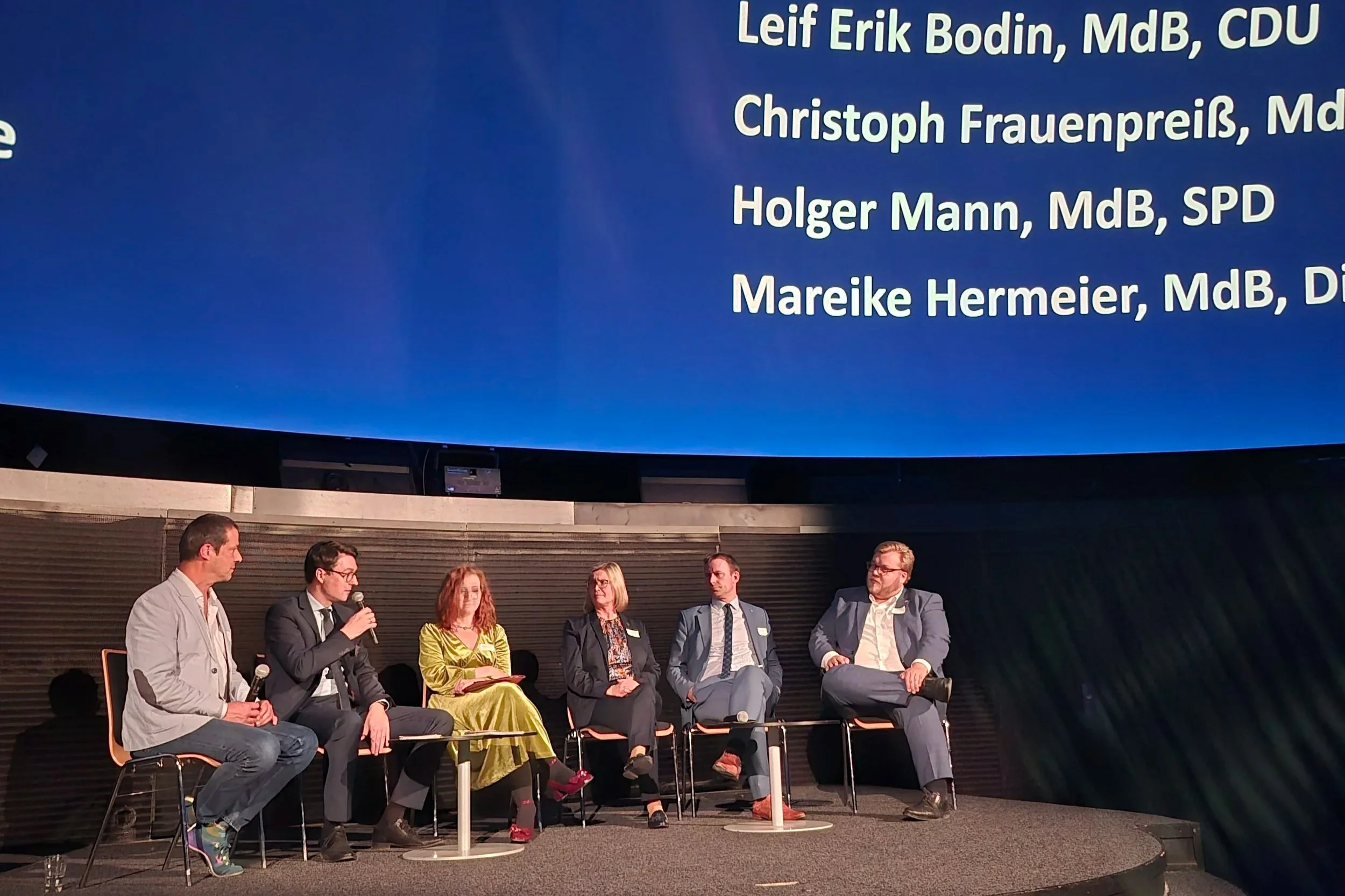
The attending members of the Bundestag, Mareike Hermeier (Die Linke), Leif Erik Bodin (CDU), Christoph Frauenpreiß (CDU), and Holger Mann (SPD), agreed during the discussion: It is urgently necessary to take action to secure fishing in Germany and to build a sustainable Blue Economy.
Parliamentary Ocean Evening July 2025: Protecting biodiversity in the ocean and the global climate
Together with the Planetarium Berlin Foundation and in cooperation with the German Society for the United Nations (DGVN), the Foundation hosted another successful Parliamentary Ocean Evening on 8 July. The event focused on the urgent need to protect marine biodiversity and combat the climate crisis—global challenges that were discussed from scientific, political, and social perspectives.
The event kicked off with contributions from Antonia Spielvogel (Young Ocean Protection Ambassador) and Steffi Lemke, former Federal Minister for the Environment, who shared their impressions of the UN Ocean Conference (UNOC3) in Nice.
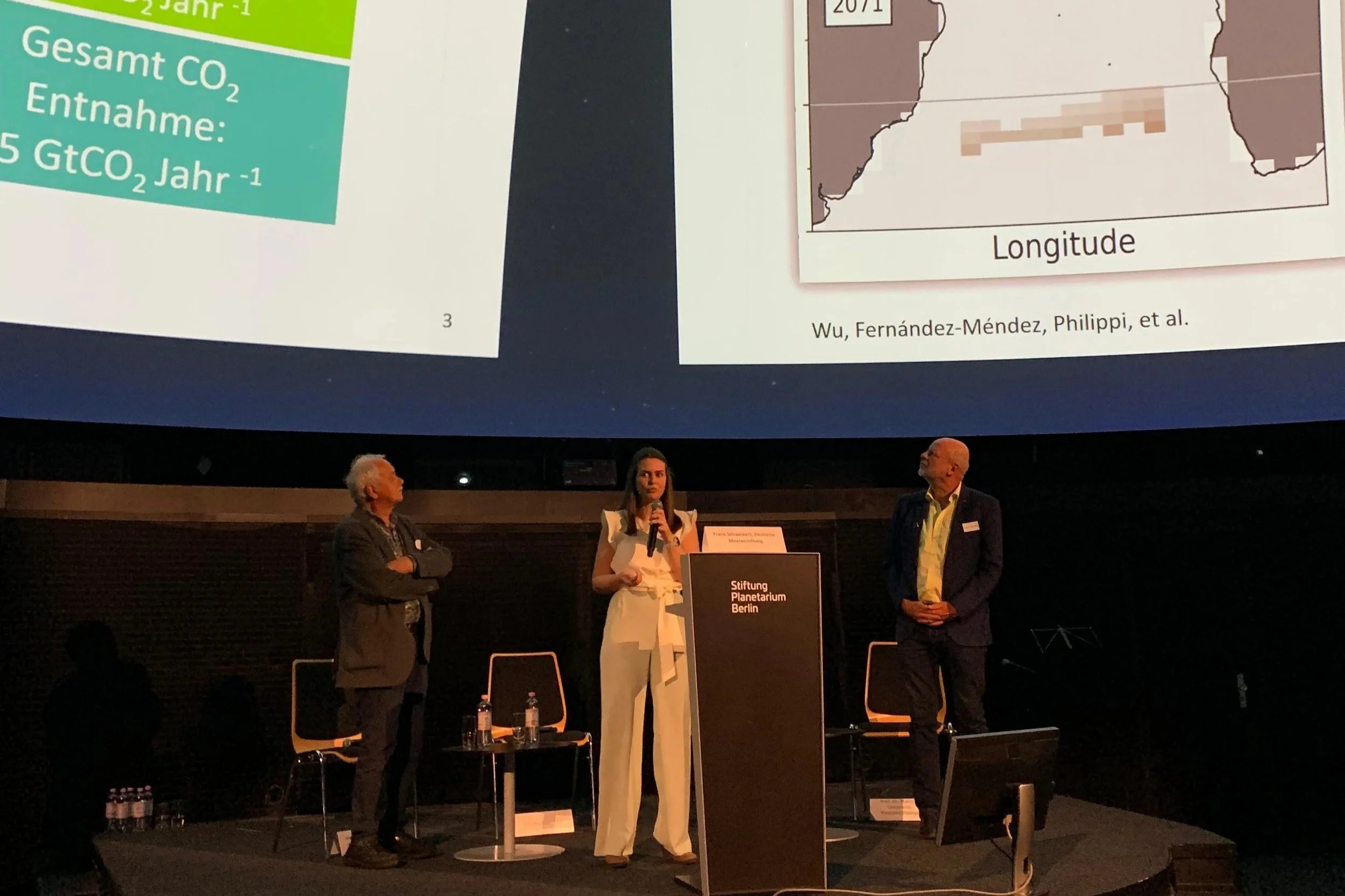
In his keynote speech, Prof. Dr. Matthias Glaubrecht, evolutionary biologist and author, highlighted the dramatic consequences of global species extinction – especially in the ocean. Hans-Josef Fell, Prof. Dr. Victor Smetacek, and Dr. Miriam Philippi presented an innovative solution: they outlined their vision of large-scale ocean farming with free-floating macroalgae. This nature-based technology offers enormous potential for CO₂ removal, the regeneration of marine ecosystems, and as a source of sustainable raw materials. Shamim Wasii Nyanda from the Tanzania Ocean Climate Innovation Hub made it clear in a video message that international cooperation is now more than ever necessary and important.
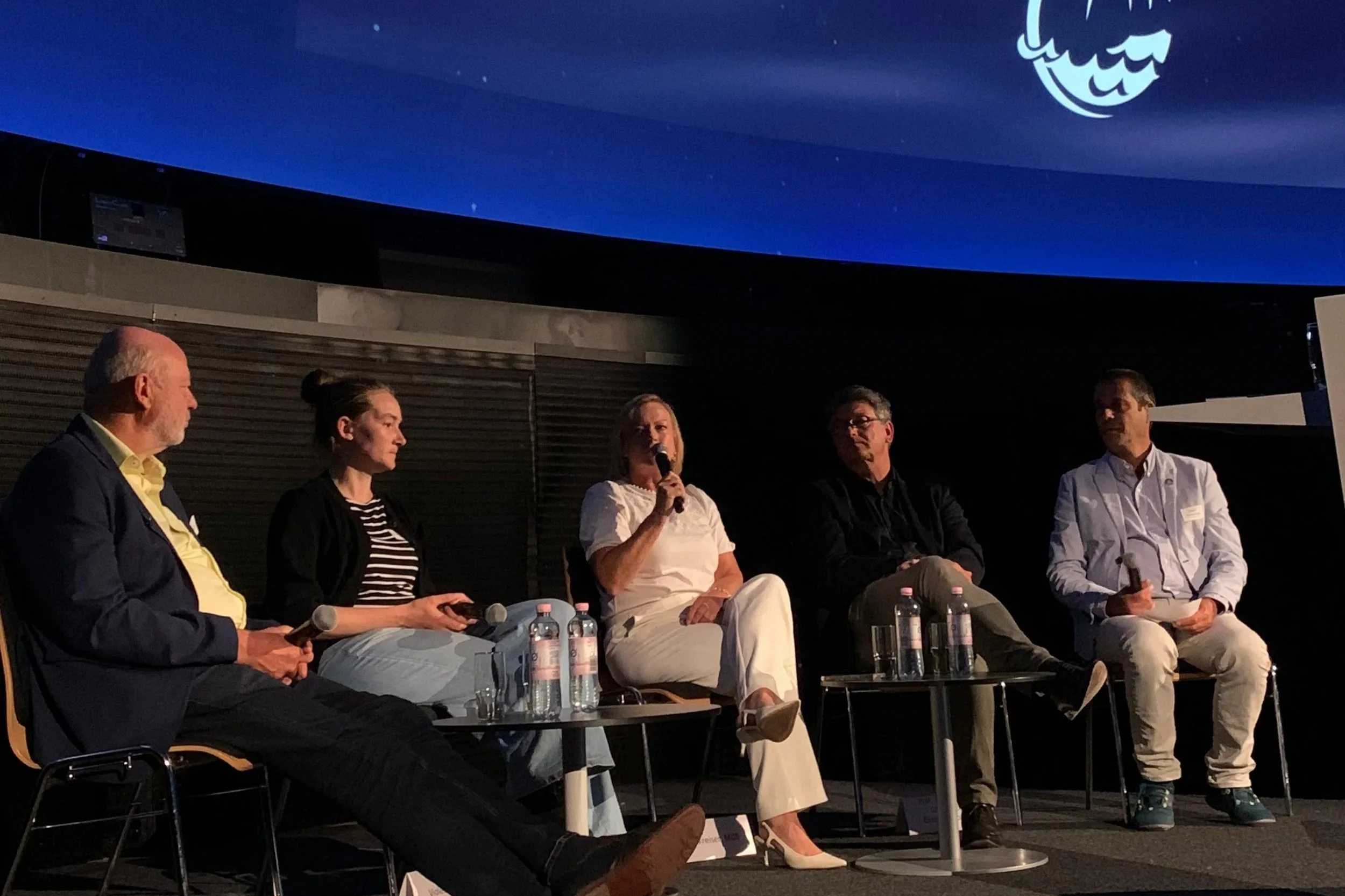
Members of Parliament Dunja Kreiser (SPD) and Violetta Bock (Die Linke) actively participated in the subsequent discussion round and discussed how politics can combine active climate protection measures, the protection of marine ecosystems, and social justice. The focus was also on the development of a public welfare-oriented economy and its potential.
The event concluded with a poignant closing speech by Dr. Ekkehard Griep, Chairman of the DGVN, who emphasized the importance of international cooperation, as well as atmospheric musical accompaniment by the Orchestra of Change.
First Parliamentary Maritime Evening November 2024 – Political discussion under the stars
On 12 November 2024, the Foundation, the Berlin Planetarium Foundation, and the German Society for the United Nations (DGVN) hosted a parliamentary ocean evening. The event brought together science, politics, culture, and civil society under the banner of ocean conservation.
The atmospheric opening featured the film “Song of the Birds” – a poetic underwater production with the Orchestra of Change, which turned the seabed into a stage. The subsequent welcome by the board members of the organizing partners was visually accompanied by impressive 360° images from the planetarium, drawing the audience into the world of the ocean.
With a moving live performance, the Orchestra of Change set the tenor of the evening before the scientific contributions took over.
Prof. Dr. Stefan Rahmstorf explained the close connection between the ocean and climate and made it clear that effective climate protection is not possible without healthy seas. In a video keynote speech, Dr. Anna von Rebay brought in the legal perspective and emphasized the importance of binding legal frameworks for marine protection at the international level.
Frank Schweikert provided civil society impetus by referring to the latest survey by the German Ocean Foundation on ocean literacy. The results clearly show that the public is calling for more education, clear responsibilities, and a stronger commitment to protecting the ocean.
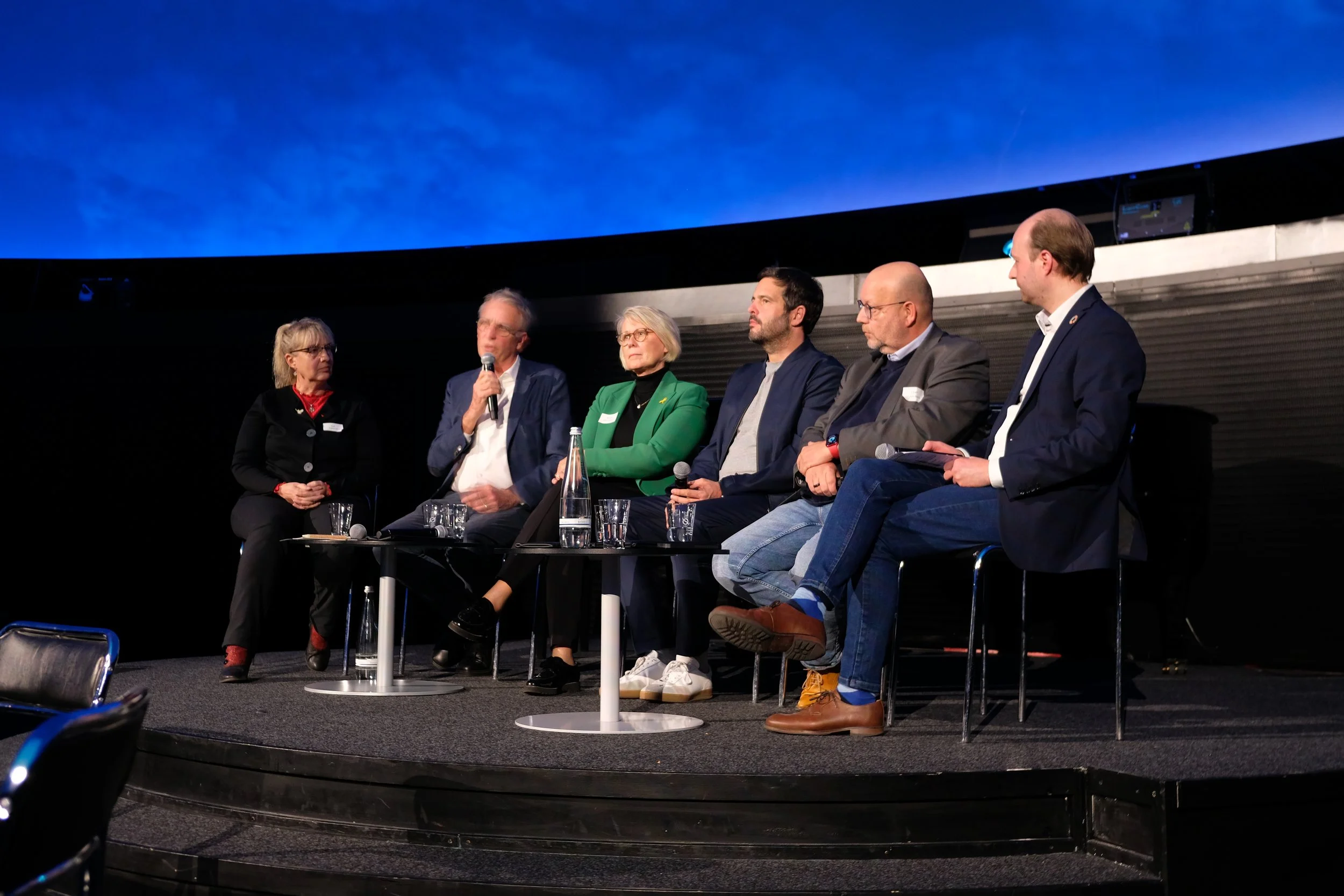
The highlight of the evening was the subsequent political panel discussion, moderated by Oliver Hasenkamp (DGVN), with the maritime policy spokespersons of all democratic parliamentary groups in the Bundestag. The discussion shed light not only on party political positions, but also on the personal motivations of the members of parliament and concrete plans for the coming legislative period.

If you would like to recieve the documentation for the event, please send a short email to office@meeresstiftung.de.